

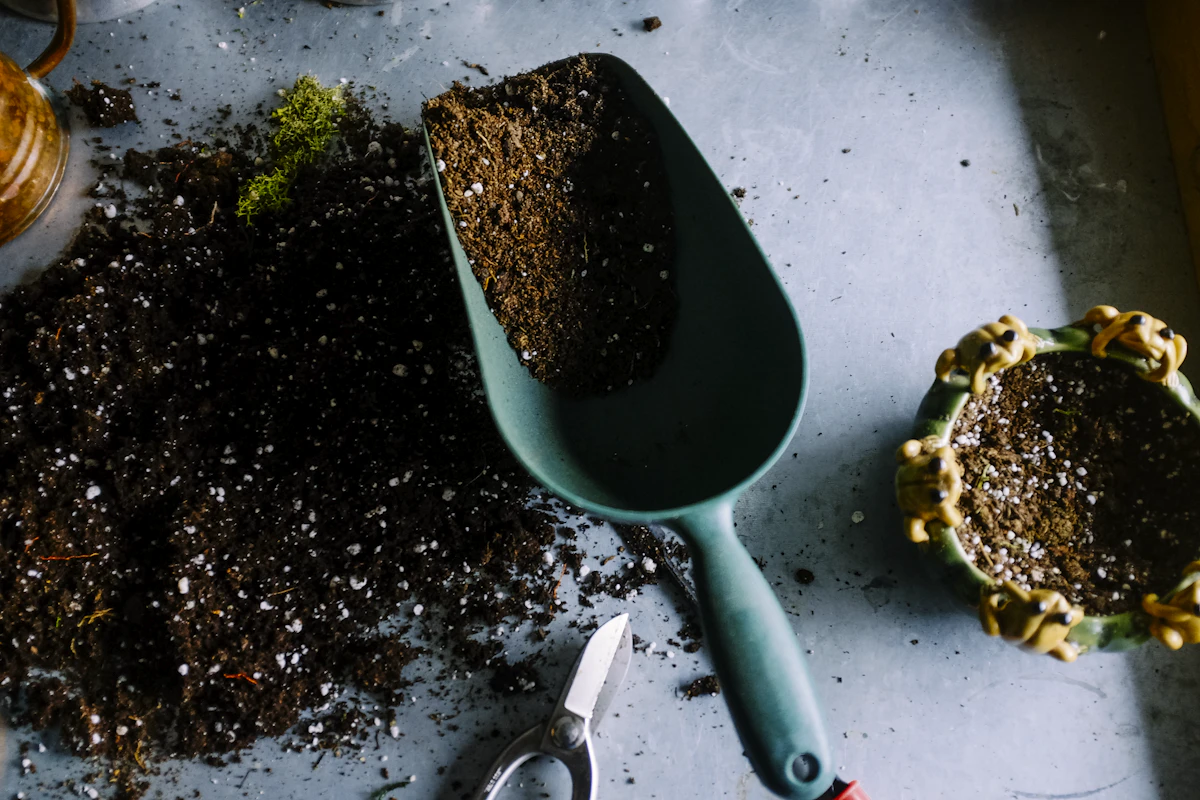
 *Photo: Unsplash*
Montreal remises — the small freestanding wooden sheds behind a pre-war triplex, accessed from a shared back alley — are one of the city's most underappreciated storage spaces. They hold bikes, lawnmowers, rakes, winter tires, and three half-empty bags of fertilizer from two seasons ago. And every year they collect six months of cottonwood fibre, mouse droppings, road salt, and rust before you open them again in April.
Unlike an attached garage, your remise has no carbon monoxide risk from running an engine inside — it's fully detached from the house. But it has its own set of Montreal-specific challenges: autumn mouse invasions, summer mold on wooden walls from 70–75% relative humidity, CaCl₂ road salt absorbed into wooden floorboards, and steel garden tools that rust in the dry forced-air heating season.
This guide covers how to clean a shed or remise in Montreal — from the spring opening ritual in April to the winter shutdown in November — with specific protocols for wooden interior walls, garden tools, pest exclusion, and products available at your local Canadian Tire or Rona.
---
Why Montreal Remises Need Their Own Protocol
A Montreal back-alley remise is structurally different from a suburban shed or attached garage:
- Wooden floor, no foundation — many pre-war remises in NDG, Plateau, Rosemont, HoMa, and Villeray sit on wooden piers with original plank floorboards prone to rot, warping, and road-salt absorption.
- Freestanding on all sides — no CO risk, but full weather exposure: freezing rain, cottonwood, UV, heavy snow accumulation, and alley-level mud and de-icing salt.
- No electricity — most remises have no lighting or outlets. Cleaning must be done in daylight or with a battery work light.
- Alley context — raccoons and mice navigate shared back alleys where multiple units' garbage and composting create persistent pest pressure.
---
Spring Deep Clean: April–May Protocol
The spring opening clean is the most important of the year. Every winter leaves a residue of road salt, mouse evidence, and condensation mold.
Step 1: Mouse Evidence Triage — Do This Before Anything Else
Scan the floor, shelves, and corners for mouse droppings, gnaw marks, and nesting material. If you find droppings:
1. Do NOT sweep or vacuum without protection — dried rodent droppings can release Hantavirus particles when disturbed. Hantavirus Pulmonary Syndrome is rare but serious; Quebec has documented cases in rural areas. 2. Put on an N95 respirator (Canadian Tire or Pharmaprix, ~$15–25 for a box of 20) and nitrile gloves. 3. Spray droppings with a 10% bleach solution (1 part bleach to 9 parts water) and let it sit 5 minutes to disinfect. 4. Wipe up with paper towels and double-bag in sealed plastic bags before binning. 5. Wash hands thoroughly after removing gloves. 6. Even after cleanup, set 2–4 Victor snap traps (Canadian Tire, ~$3–6 per 2-pack) baited with peanut butter along interior walls — any remaining mice will be caught.
For light dusty droppings with no nesting or gnaw marks: the 10% bleach spray and paper towel protocol is sufficient.
Step 2: Empty and Sort
Remove everything. Sort into four piles: keep, donate, Montreal écocentre (old paint, propane canisters, herbicides — call 311 for your nearest drop-off location and schedule), and garbage. Staging everything outside lets you see the full floor and wall surfaces, and prevents cross-contaminating clean items with dirty surfaces while cleaning.
Step 3: Ceiling and Walls — Cottonwood and Mold
Dry-sweep first. Montreal's cottonwood season (mid-May to mid-June) fills shed ceiling corners with white fluffy fibre that infiltrates through door frame gaps and vent openings. Use a telescoping microfibre duster (Canadian Tire, ~$15–25) to sweep ceiling corners, exposed rafters, and upper walls before any wet cleaning. If you wet-clean first, moisture bonds the cottonwood fibre to the surface and it becomes much harder to remove.
Mold on wooden walls: Mix 3% hydrogen peroxide (Pharmaprix or Jean Coutu, ~$3–5 for a 500 mL bottle) in a spray bottle. Spray directly on mold-stained wood, wait 10 minutes, scrub with a stiff sponge, and wipe dry.
Do NOT use bleach on raw wooden shed walls for routine mold cleaning. Bleach residue draws moisture into wood fibres and accelerates softening over repeated annual applications. Reserve bleach for hantavirus decontamination of droppings only. If mold returns within a few weeks each season, apply a mold-resistant primer (Benjamin Moore or Tremclad, Canadian Tire or Home Depot, ~$25–40 per gallon) to the interior wall sections — a two-hour spring project with multi-year payoff.
Step 4: Floor — Road Salt and Organic Debris
Pre-war remise floorboards absorb CaCl₂ road salt tracked in by boots and from rolling in winter tires throughout November–April. Salt residue left on wood draws moisture and accelerates floor rot.
1. Dry-sweep the full floor with a stiff outdoor broom. 2. Mop with warm water alone for routine cleaning (detergent residue on rough wooden boards attracts dirt faster). 3. If white salt crust is present: mop with diluted white vinegar (1 cup white vinegar in 2 gallons of warm water) to dissolve calcium chloride crystals. Follow with a rinse mop using clean water. 4. Allow the floor to dry completely — 2 to 4 hours on a warm spring day — before returning any items. Wet wood under stored equipment accelerates both rot and mold.
Step 5: Door Frame and Gap Sealing
Your spring cleaning is the ideal moment to seal the shed against the coming autumn mouse migration — do it now rather than rushing in October.
- Inspect the bottom door seal. If gaps larger than 6 mm are visible (a pencil diameter), replace the seal with a rubber door sweep (Canadian Tire or Home Depot, ~$12–20 per length).
- Check where door frame meets wall boards. Old remises develop shrinkage gaps at these joints over decades of freeze-thaw cycling. Fill gaps with steel wool packed in first, then expanding foam (DAP Touch 'N Seal, Canadian Tire, ~$8–12 for a kit). Steel wool prevents mice from gnawing through the foam — foam alone is not a barrier.
- Check the floor perimeter where wall boards meet the wooden floor. Shrinkage gaps here are the most common mouse entry point in Montreal remises.
---
Garden Tool Cleaning and Winter Storage
Garden tools work hard for four months (May–September) and then sit for eight. Without proper cleaning and rust protection, steel surfaces oxidize, wood handles crack, and blade edges dull.
Steel Tools: Shovels, Rakes, Hoes, Garden Forks
After every use: knock soil off while still fresh (dry hardened soil is much harder to remove later) and wipe the blade with a damp cloth.
Annual winter preparation (October–November):
1. Scrub blades with a stiff wire brush to remove caked soil and rust scale. A wire wheel on a drill speeds this up considerably. 2. Sand rust spots with 80-grit sandpaper until bare shiny metal is exposed. 3. Apply a thin even coat of WD-40 or 3-In-One Multi-Purpose Oil (Canadian Tire, ~$8–12 and ~$6–8 respectively) to all metal surfaces using a rag. 4. Rub linseed oil into wooden handles (Canadian Tire, ~$8 for 500 mL) to prevent dry-air cracking. Montreal's Hydro-Québec forced-air heating season drops indoor relative humidity to 20–30%, and even an unheated remise experiences dramatic RH drop in cold-air dry-out conditions. Wooden handles stored dry and un-oiled crack within two to three winters. 5. Hang tools vertically on wall hooks (blade or tine pointing up) rather than standing upright on the floor. A floor-leaning metal blade holds moisture against the wood where the blade socket meets the handle — exactly where rot and rust start.
Lawnmower
If you have a gas lawnmower stored in your remise over winter:
1. Drain the fuel tank before storage. Gasoline left in the tank for more than 30 days degrades and gums up carburetor jets, requiring a carburetor cleaning or replacement in spring. Alternatively, add fuel stabilizer (STA-BIL, Canadian Tire, ~$8–12) and run the engine until it stops naturally to clear the fuel system. 2. Change the oil if you haven't done so this season. Warm the engine for 2 minutes, then drain via the drain plug or tip-and-drain method. 3. Clean the underside of the deck — remove caked grass clippings with a plastic scraper, then rinse with a garden hose and allow to dry fully before storing. 4. Sharpen or replace the blade — Canadian Tire offers in-store blade sharpening (check availability at your location); a replacement blade runs ~$15–30. 5. Disconnect the spark plug wire before working under the deck. This prevents accidental engine starts.
Pruning Shears and Hand Tools
After every use, wipe blades clean with a damp cloth. Clean sap residue with isopropyl alcohol 70% (Pharmaprix, ~$5 for 500 mL). Lightly oil the pivot bolt and blade with 3-In-One after each cleaning to prevent pivot rust. Sharpen annually in October with a whetstone or a diamond-coated file (Canadian Tire, ~$8–15).
Bicycle Winter Storage
Hang bikes on wall-mounted hooks rather than parking on the floor. Tires left on a concrete or wooden floor develop flat spots over an eight-month storage period, especially in cold conditions. Wall hooks keep the floor clear and prevent flat spots.
---
Autumn Shutdown Protocol: October–November
The autumn shutdown clean is as important as the spring opening.
1. Empty the shed — remove summer furniture, all garden tools, and bikes. 2. Apply oil to all steel tools — October is when Montreal's forced-air heating season begins. Even in an unheated remise, the cold dry outdoor air drops relative humidity, and steel tools stored without protection oxidize over winter. 3. Deploy snap traps — place 2–4 Victor snap traps (Canadian Tire, ~$3–6/2-pack) along interior walls. October–November is peak mouse migration season in Montreal. Field mice travel along walls and through floor perimeter gaps; traps placed early catch the first arrivals before a population establishes. 4. Remove all open organic material — bag all birdseed, fertilizer, grass seed, compost, and pet food in sealed plastic containers with bungee-cord lids. Open bags are the single biggest attractant for mice and raccoons. A clean shed with no food smell is dramatically less attractive than a shed with an open 5 kg bag of birdseed. 5. Re-check and re-seal gaps — inspect the door bottom seal and frame gaps you sealed in spring. October freeze-thaw cycling often opens new gaps; re-pack with steel wool and foam if needed. 6. Screen any open vent holes with fine steel mesh (hardware cloth, Canadian Tire, ~$8–15 per roll) to prevent mice and squirrels from entering through ventilation openings while allowing airflow.
---
Summer Humidity and Mold Management
July and August in Montreal bring outdoor relative humidity of 70–75%. An unventilated wooden remise can reach 65–75% interior RH — ideal conditions for Cladosporium and Aspergillus mold on wooden walls, wooden shelving, cardboard boxes, and fabric covers (bike saddle covers, lawn furniture covers).
- Open the door for 30 minutes on dry sunny summer days to flush humid air. Not every day, but two to three times per week on low-humidity days keeps interior moisture from accumulating.
- Do not store cardboard boxes in a humid shed. Cardboard develops mold colonies within two to three weeks at 70% RH. Use sealed plastic storage totes instead.
- Apply mold-resistant primer to interior wooden walls if you see mold recurring each season. This is more effective than repeated cleaning cycles.
- Monthly inspection — a quick five-minute scan for new mold spots each month. Spray immediately with 3% H₂O₂ before colonies spread.
---
Product Quick Reference
| Product | Use | Where to Buy | Approx. Price | |---|---|---|---| | Telescoping microfibre duster | Ceiling cobwebs and cottonwood fibre | Canadian Tire | $15–25 | | N95 respirator | Mouse dropping cleanup | Canadian Tire, Pharmaprix | $15–25/box | | Victor snap traps | Mouse control | Canadian Tire, Rona | $3–6/2-pack | | Steel wool + expanding foam | Gap sealing against mice | Canadian Tire, Home Depot | $8–15 | | WD-40 | Tool rust prevention and spring lubrication | Canadian Tire, Rona | $8–12 | | 3-In-One Multi-Purpose Oil | Tool pivot and metal surface lubrication | Canadian Tire | $6–8 | | Linseed oil | Wooden tool handle conditioning | Canadian Tire | $8–12 | | Hydrogen peroxide 3% | Wood-safe mold treatment | Pharmaprix, Jean Coutu | $3–5 | | White vinegar 4L | Road salt CaCl₂ dissolution on wood floors | IGA, Maxi, Dollarama | $3–5 | | Rubber door sweep | Door bottom seal replacement | Canadian Tire, Home Depot | $12–20 | | Mold-resistant primer | Interior wooden wall protection | Canadian Tire, Home Depot | $25–40/gal | | Steel hardware cloth | Vent opening screen against rodents | Canadian Tire | $8–15/roll | | STA-BIL fuel stabilizer | Lawnmower fuel preservation | Canadian Tire | $8–12 |
---
Seasonal Maintenance Calendar
| Season | Key Tasks | |---|---| | April–May | Full empty + mouse inspection + N95 bleach protocol + wall hydrogen peroxide + floor salt vinegar wash + door seal check | | May–June | Cottonwood: dry-sweep ceiling and vent screens before any wet cleaning | | July–August | Twice-weekly ventilation open + monthly mold inspection + H₂O₂ spot treatment | | September | Mid-season tool wipe and sharpen; check for ant trails along floor perimeter | | October–November | Full tool oil coat + lawnmower drain/oil change + snap traps deployed + organic material sealed + gaps re-checked | | December–March | Monthly trap check only; no other cleaning needed in a properly closed shed |
---
When to Call a Professional
If your remise has: - Extensive mold (more than 1 sq ft of visible growth on walls or ceiling) → professional mold remediation - Structural wood rot in floor boards or wall sills → carpenter or contractor, not a cleaning issue - Active raccoon or squirrel nesting → licensed nuisance wildlife removal (call 311 for Montreal municipal wildlife referrals) - Significant rodent infestation (active droppings throughout, chewed wiring, established nesting) → professional pest control service
Sparkling Stays provides [home cleaning](/en/services/home-cleaning) and [deep cleaning](/en/services/deep-cleaning) services for Montreal apartments, condos, and houses — including move-out cleaning that covers storage spaces and outbuildings. [Contact us to book a clean](/en/contact).
For related guides, see our [garage cleaning guide](/en/blog/how-to-clean-a-garage-montreal), [balcony cleaning guide](/en/blog/how-to-clean-a-balcony-montreal), [concrete patio guide](/en/blog/how-to-clean-a-concrete-patio-montreal), and [mold removal guide](/en/blog/how-to-get-rid-of-mold-in-a-montreal-apartment).
---
Frequently Asked Questions
Q: How often should I clean my shed or remise?
A: Do a full deep clean twice a year — spring (April–May) and autumn (October–November). Between those, a quick five-minute monthly walk-through to check for mouse droppings, new mold spots, and tool rust keeps everything manageable. Sheds that get a dedicated spring and fall clean stay in good shape year-round; sheds skipped for two to three years typically require major remediation of mold, rot, and established pest populations.
Q: How do I get rid of mice in my shed?
A: Victor snap traps baited with peanut butter are the most effective tool — place 2–4 traps along interior walls (mice travel walls rather than open floor space). Seal all entry points with steel wool packed into gaps, followed by expanding foam overtop. The steel wool prevents mice from gnawing through the foam. Remove all open bags of birdseed, fertilizer, and compost from the shed — open food bags are the primary attractant. Set traps in October before the November migration peak. Reactive trapping in December after an established population is far less effective than proactive trapping in October.
Q: How do I remove mold from wooden shed walls?
A: Spray 3% hydrogen peroxide (Pharmaprix or Jean Coutu, ~$3–5) directly on the mold, wait 10 minutes, then scrub with a stiff sponge or bristle brush and wipe dry. Avoid bleach on raw wooden walls for routine cleaning — bleach residue draws moisture and softens wood fibres over repeated annual applications. If mold returns quickly each season, apply mold-resistant primer (Canadian Tire or Home Depot, ~$25–40 per gallon) to the affected wall sections after treating the existing mold. Good ventilation — opening the door on dry summer days — is the most effective long-term prevention.
Q: How do I clean and store garden tools for winter in Montreal?
A: In October: scrub blades with a wire brush to remove soil and rust scale; sand rust spots to bare metal; apply a thin coat of WD-40 or 3-In-One Oil to all steel surfaces. Rub linseed oil into wooden handles — Montreal's Hydro-Québec forced-air heating season drops indoor relative humidity to 20–30%, and unheated sheds experience similar cold-air drying. Un-oiled wooden handles crack and split within a few winters. Hang all tools vertically on wall hooks rather than standing on wooden floors, which hold moisture against metal edges.
Q: Can I use bleach to clean my wooden shed floor?
A: Use bleach at 10% concentration (1 part bleach to 9 parts water) only for disinfecting mouse droppings — this is the hantavirus decontamination protocol. For routine floor cleaning, use a diluted white vinegar solution (1 cup per 2 gallons of warm water) to dissolve CaCl₂ road salt crystals, or plain warm water for general mopping. Bleach residue on wooden floorboards accelerates wood softening and rot with repeated annual applications.
Q: How do I stop mice from getting into my shed in autumn?
A: Three-step approach: seal, trap, remove attractants. (1) Seal: inspect the door bottom seal and all frame-to-wall joints. Pack gaps with steel wool first, then apply expanding foam over top — steel wool prevents mice from gnawing through the foam barrier. (2) Trap: deploy Victor snap traps in October along interior walls before the November migration peak. Peanut butter on the trigger mechanism, replaced monthly. (3) Remove attractants: move all open bags of birdseed, grass seed, fertilizer, compost, and pet food into sealed plastic containers with bungee-cord lids. A sealed shed with no accessible food is dramatically less attractive to mice than a shed with open organic material.

