
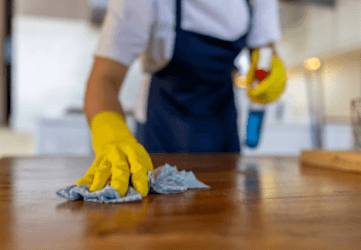
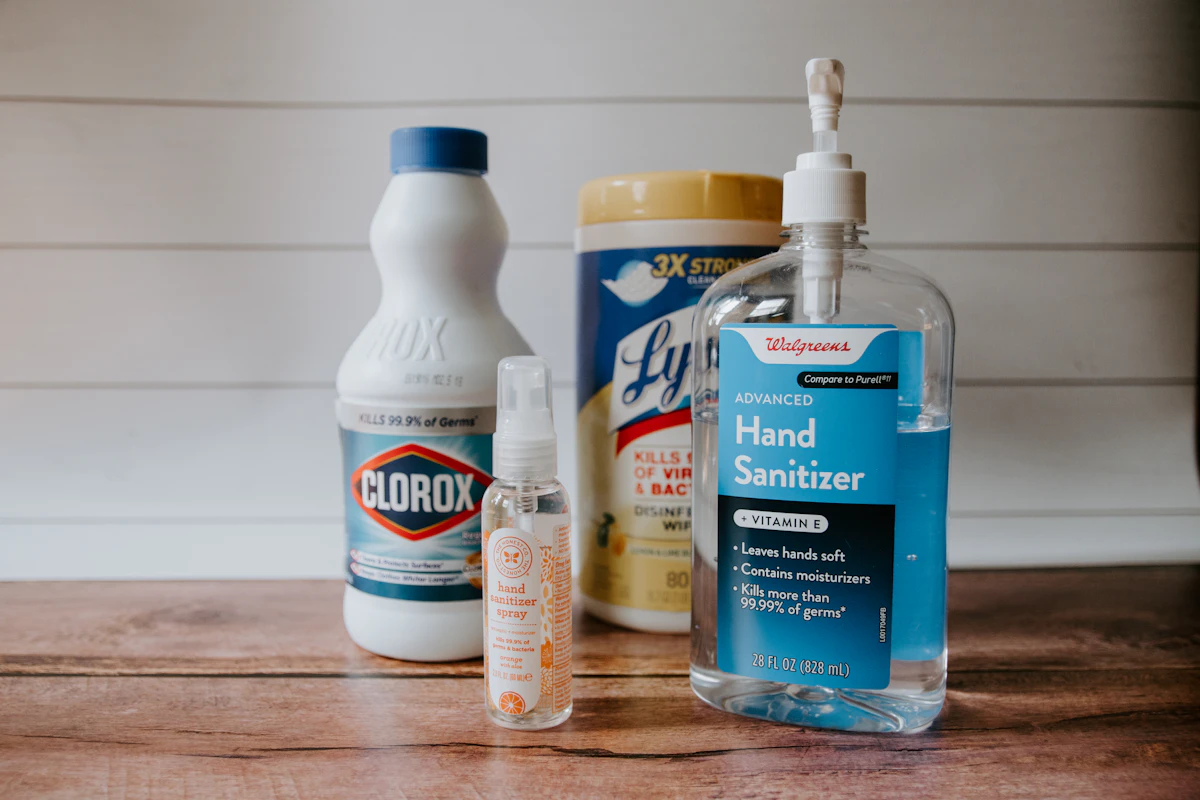
 *Photo: Unsplash*
Your sofa is the most-used surface in your apartment — and in a Montreal home, it absorbs years of humidity, allergens, cooking odours, and winter grit before most people think to clean it. If you moved in on July 1 and inherited a couch from the previous tenant, you're starting this relationship with fabric that may hold a decade of history. Even a sofa you bought yourself needs more than a quick vacuum every few months.
This guide covers every Montreal apartment scenario: the hand-me-down couch from a July 1 turnover, the IKEA Kivik in a student duplex, the leather sectional in a Griffintown condo, and the vintage velvet armchair in a Plateau triplex. We explain cleaning codes, stain removal by type, and how to protect your upholstery through Montreal's punishing humidity extremes — summer at 70–75% relative humidity and winter dry-air static that attracts dust.
Why Montreal Sofas Need More Attention
Several factors unique to Montreal make sofa cleaning more demanding than in other Canadian cities:
July 1 moving day. Montreal has North America's largest single-day moving event. Tens of thousands of sofas change hands every year — left by outgoing tenants, passed along by friends, picked up on Marketplace. An inherited sofa carries the odour profile and stain history of an unknown previous household.
Summer humidity (July–August: 70–75% RH). Fabric upholstery in a poorly ventilated pre-war triplex absorbs moisture during Montreal's hot, humid summers. Without adequate air circulation, this creates the conditions for mildew growth inside cushion foam — a problem that won't be visible until the mildew smell sets in.
Quebec's historical smoking rates. Quebec historically has had among the highest smoking rates in Canada, and many older apartment buildings still carry nicotine residue on walls and fabrics. An upholstered sofa is a sponge for tobacco odour that requires a specific baking soda and white vinegar protocol — ordinary cleaning won't cut through it.
Open windows, spring pollen. Montreal's pollination season (cottonwood late May–early June, ragweed August–September) sends a wave of fine pollen through the open windows typical in Plateau, Mile End, and Villeray apartments without central air conditioning. Pollen settles in upholstery fibres and accumulates over the season.
Winter road salt on hands and clothing. Montreal uses calcium chloride (CaCl₂) heavily from October through April. Salt residue tracked in on boots migrates to hands and onto sofa armrests — leaving white crystalline deposits in fabric that require cool-water treatment.
Step 1: Find and Read Your Sofa's Cleaning Code
Before touching your sofa with any product, locate the cleaning tag — usually found on the underside of the sofa, on a seat cushion zipper pocket, or on the cushion underside. The code determines every decision that follows:
| Code | What it Means | Safe to Use | |---|---|---| | W | Water-based cleaners only | Water, dish soap solution, water-based stain removers | | S | Solvent-based cleaners only (dry-clean) | Rubbing alcohol, dry-cleaning solvent — NO water | | WS | Both water- and solvent-based cleaners | Full range of options | | X | Vacuum only — no liquids or solvents | Dry brushing and vacuuming only |
Most Montreal rental-unit sofas (IKEA, Structube, brick-and-mortar mid-range) are coded W or WS. Vintage and designer pieces are often coded S — using water on an S-coded velvet can leave permanent water marks. When in doubt, test any cleaner in an inconspicuous spot (under a cushion or along the back seam) and wait 10 minutes before proceeding.
What You'll Need
All products are available at Montreal retailers without special ordering:
- Mild dish soap (Dawn Platinum or Palmolive) — IGA, Maxi, Metro, Dollarama
- White vinegar — Dollarama, IGA, Jean Coutu (750 mL for $2–$3)
- Baking soda (bicarbonate of soda) — IGA, Maxi, Dollarama ($1–$2 per box)
- Enzyme cleaner (Nature's Miracle, Biovert, Simple Solution) — Jean Coutu, Pharmaprix, PetSmart at Côte-des-Neiges ($10–$18)
- Isopropyl alcohol 70% — Jean Coutu, Pharmaprix, Dollarama ($3–$5)
- Microfibre cloths — Dollarama (6-pack for $4), Canadian Tire, IKEA TVÄTTA
- Soft-bristle brush (a clean toothbrush works for seams and crevices)
- Vacuum with upholstery attachment — the brush-nozzle head, not the bare suction port
- Spray bottle — Dollarama ($1–$2)
How to Clean a Fabric or Microfiber Sofa (Code W or WS)
Microfiber and fabric sofas are the most common in Montreal apartments — IKEA Kivik, Ektorp, Klippan, and equivalent mid-range pieces from Structube and Bouclair.
1. Remove and vacuum all cushions. Lift every cushion, brush debris off the frame, and vacuum both sides of each cushion with the upholstery attachment. Pay special attention to seams where skin cells and crumbs accumulate.
2. Vacuum the sofa frame. Use the crevice tool for the fold along seat backs and the armrest seams. A standard sofa can hold surprising amounts of pet hair, crumbs, and pollen in these gaps.
3. Prepare a mild soapy solution. Mix 1 teaspoon of mild dish soap with 2 cups of cold water in a spray bottle. Shake gently — you want suds, not foam overflow.
4. Spot-test first. Apply a small amount in an inconspicuous area and blot with a microfibre cloth. If colour transfers or the fabric puckers, stop and consult a professional cleaner.
5. Clean section by section. Lightly mist a small area (about 30 cm × 30 cm) of fabric. Blot — do not rub — with a clean microfibre cloth using straight-line strokes. Circular rubbing drives stains deeper and can pill the fabric. Work from the outside of any stain toward the centre.
6. Rinse with plain cool water. Lightly mist the cleaned section with clean water and blot dry. This removes soap residue, which attracts dirt if left in the fabric.
7. Dry completely. Open windows or use a fan pointed at the sofa. In Montreal's humid July–August, allow at least 4–6 hours before putting cushions back. Never put cushion covers back on damp cushion inserts — trapped moisture causes mildew inside the foam within days.
8. Apply baking soda for odour (optional). Sprinkle a thin layer of baking soda over the fabric surface. Allow to sit for at least 30 minutes (up to 2 hours for heavy odour), then vacuum thoroughly.
How to Clean a Leather or Faux-Leather Sofa (Code W, S, or WS)
Leather sofas are common in Westmount, CDN, and Griffintown condos. Faux-leather appears frequently in 1990s–2010s rental units.
1. Vacuum and wipe down. Remove cushions and vacuum with a soft brush attachment. Wipe the leather surface with a dry microfibre cloth to remove surface dust.
2. Mix a gentle cleaning solution. For genuine leather: a few drops of mild dish soap dissolved in warm water. For faux-leather: the same solution, or diluted white vinegar (1:4 ratio with water). Avoid harsh chemical cleaners, acetone, or bleach — they strip leather's protective finish.
3. Wipe gently with a barely damp cloth. Wring the cloth until it is just slightly damp. Wipe in straight passes, not circles. Work one panel at a time.
4. Dry immediately. Follow each pass with a dry microfibre cloth. Never leave leather wet.
5. Condition genuine leather annually. Use a leather conditioner (available at Canadian Tire or Structube for $15–$30) to replace oils lost through cleaning and Montreal's dry winters. Annual conditioning prevents cracking and extends the sofa's life by years.
How to Clean a Velvet or Delicate Fabric Sofa (Code S or X)
Velvet sofas — popular in Plateau and Mile End for their vintage aesthetic — are the most easily damaged of all fabric types.
1. Check the code first. Most velvet is Code S or Code X. Do not use water on either.
2. Brush with a velvet brush. Use a soft-bristle velvet brush or a clean, dry microfibre cloth. Always brush in the direction of the nap — against it raises fibres and creates visible marks that are very difficult to reverse.
3. Use isopropyl alcohol 70% for spot stains (Code S). Dampen a microfibre cloth with isopropyl alcohol — never apply liquid directly to velvet. Blot gently from the outside in. Alcohol evaporates quickly without leaving water damage.
4. For heavy odour on delicate fabric. Sprinkle baking soda very lightly and leave for 30 minutes, then vacuum gently on the lowest suction setting with the upholstery brush. Do not press the vacuum hard into the velvet pile.
Stain Removal Guide: Montreal Apartment Scenarios
| Stain | Montreal Context | Treatment | |---|---|---| | Red wine | House parties, BYOB dinner culture in Plateau/Mile End | Blot immediately; pour salt to absorb; rinse cold water; dish soap solution; blot dry | | Coffee | Standard morning accident | Blot immediately; cold water rinse; enzyme cleaner if milk-based | | Pet urine | Cats common in Montreal apartments | Cold water blot first; enzyme cleaner (Nature's Miracle); baking soda dwell 30 min; vacuum | | Nicotine / smoke odour | Quebec's smoking history; pre-war triplex units | White vinegar mist; allow to dry fully; baking soda dwell 2–4 hours; vacuum | | Road salt residue | October–April CaCl₂ on hands and clothing | Dry-brush first; cool water blot; dish soap solution; do not scrub | | Mold or mildew | July–August humidity in poorly ventilated apartments | Undiluted white vinegar spray; dry in sunlight; professional if deep into foam | | Food grease | Cooking without range hoods; shared triplex kitchens | Baking soda paste; leave 10 min; brush off; dish soap + cold water; blot dry |
The July 1 Inherited Sofa Protocol
Every July 1, tens of thousands of Montreal renters inherit furniture from the previous tenant. Before using an inherited sofa, work through these steps:
1. Photograph and document. Under the Tribunal administratif du logement (TAL), if a sofa is listed as included in the lease, photograph its condition at move-in. This protects you if there's a dispute about pre-existing damage at move-out. See the [move-in cleaning checklist for Montreal](/en/blog/move-in-cleaning-checklist-montreal) for a full documentation protocol.
2. Vacuum thoroughly. Use the upholstery attachment on every surface, including underneath cushions and along all seams. This removes loose debris, allergens, and any surface pollen or dust.
3. Apply enzyme cleaner. Even without visible stains, an inherited sofa may carry pet urine, biological odours, or allergens not detectable by sight. Lightly mist all upholstered surfaces with enzyme cleaner (Nature's Miracle or Biovert at Jean Coutu/Pharmaprix). Allow to work for 10–15 minutes, then blot dry with microfibre cloths.
4. Deodorize with baking soda. Sprinkle baking soda generously over all fabric surfaces. Leave for 2–4 hours — overnight for heavy or unknown odour. Vacuum thoroughly.
5. Dry completely. Open windows and use a fan. In July, with Montreal's 70–75% relative humidity, allow extra drying time. If you are in a basement unit, run a dehumidifier before applying any wet cleaner.
6. When not to clean — when to replace. If the sofa has structural damage (broken frame, collapsed springs), visible mold throughout the cushion foam, or deep embedded odour that three rounds of enzyme treatment cannot shift, replacement is more cost-effective than professional cleaning. For mattresses left by previous tenants, see [how to clean a mattress in a Montreal apartment](/en/blog/how-to-clean-a-mattress-montreal) for the same inherited-furnishing protocol.
Montreal Housing Type Guide
| Housing Type | Typical Sofa | Key Protocol | |---|---|---| | Pre-war triplex (1890s–1940s) | Thrift/vintage fabric sofa; wooden-frame love seat | Monthly baking-soda deodorize; enzyme treatment at move-in; mildew check every July–August | | 1970s–1990s rental unit (CDN, Ahuntsic, Côte-Saint-Luc) | IKEA microfiber or fabric; Brault & Martineau mid-range | Standard W-code protocol; vacuum weekly during pollen season; salt-residue blot in winter | | New-build condo (Griffintown, Plateau-Est, Laval REM corridor) | Leather sectional; bouclé armchair; performance fabric | Leather conditioning annually; velvet/bouclé brush only; spot-test before any wet cleaning | | Westmount / CDN / Outremont home | High-end fabric; genuine leather; designer pieces | Annual professional upholstery cleaning; leather conditioning twice per year |
Maintenance Schedule
| Frequency | What to Do | |---|---| | Weekly | Plump and rotate cushions; brush or vacuum armrests and seat surfaces | | Monthly | Full vacuum including under cushions; baking-soda deodorize if pets or smokers in home | | Every 6 months | Full fabric clean (W/WS code sofas); leather conditioning (leather sofas); flip reversible cushions | | Annually | Deep clean or professional upholstery service; check for mold under cushion foam in July–August | | Move-in | Inherited sofa: enzyme treatment + baking-soda deodorize before first use; photograph condition | | Move-out | Vacuum all surfaces; treat visible stains; compare against move-in photos before handing back |
When to Call a Professional Upholstery Cleaner
DIY cleaning handles most routine sofa maintenance, but consider a professional when:
- Deep mold or mildew. Surface mold from a humid Montreal summer can be treated at home, but if mold has penetrated the cushion foam, professional hot-water extraction or dry cleaning is the only reliable solution.
- Code S or Code X delicate fabrics. Vintage velvet, antique tapestry upholstery, and silk require professional dry-cleaning solvents to avoid permanent damage.
- Persistent odour after multiple enzyme treatments. If a sofa has years of tobacco smoke or pet urine embedded in the foam core, professional hot-water extraction can reach where topical products cannot.
- High-end investment pieces. Leather sofas or designer upholstery over $2,000 warrant annual professional service to protect the investment.
Professional upholstery cleaning in Montreal typically costs $80–$200 per sofa, depending on size, fabric type, and condition. See [how much cleaning costs in Montreal](/en/blog/how-much-does-cleaning-cost-in-montreal) for a broader overview of professional cleaning pricing.
For a complete home deep-clean — sofas, [carpets and rugs](/en/blog/how-to-clean-carpet-montreal), and all surfaces — [Sparkling Stays deep-cleaning service](/en/services/deep-cleaning) covers upholstery as part of a comprehensive whole-home clean. Our [home cleaning service](/en/services/home-cleaning) also offers regular maintenance visits that keep your sofa and furnishings in top shape year-round. For an [eco-friendly approach](/en/blog/eco-friendly-cleaning-montreal) using plant-based cleaners, we can tailor a visit to avoid synthetic chemicals on fabric.
Frequently Asked Questions
Q: How often should I clean my sofa?
A: For a sofa in regular daily use, vacuum weekly, do a full clean every 3–6 months, and spot-treat stains as soon as they happen. In Montreal, increase frequency during pollen season (May–June cottonwood, August–September ragweed) and after July 1 if you've inherited a sofa. Homes with pets or smokers should aim for a thorough clean every 4–6 weeks.
Q: Can I use water on any sofa fabric?
A: No — check the cleaning code tag under your cushions or on the sofa underside first. A "W" or "WS" code means water is safe. An "S" code means water will damage the fabric — use isopropyl alcohol or a dry-cleaning solvent instead. An "X" code means vacuum and brush only, no liquids of any kind. Using water on an S-coded velvet or silk can leave permanent water marks that professional cleaning may not be able to fully reverse.
Q: How do I remove red wine from a sofa?
A: Act immediately — the longer wine sits, the deeper the tannins set. Blot (don't rub) with a clean cloth to absorb as much liquid as possible. Pour table salt over the wet stain to draw out remaining wine — leave for 2–3 minutes, then brush or shake off. Apply a mild dish-soap and cold-water solution (never hot water, which sets protein and tannin stains), blot with a clean microfibre cloth, and rinse with plain cold water. If a faint stain remains after the fabric dries, a small amount of enzyme cleaner will break down the residual tannins.
Q: Is it safe to put sofa cushion covers in the washing machine?
A: Check the label on the cushion cover — most IKEA and mass-market fabric covers with a zipper are machine washable on a cold or delicate cycle. Dry on low heat or lay flat to prevent shrinkage. Covers with wool, velvet, or silk content, or those labelled "dry clean only," should go to a professional cleaner. Never put foam cushion inserts in the washing machine — the foam absorbs water and can take days to dry fully, causing mildew inside the foam core.
Q: What's the best way to get rid of smoke smell from a sofa?
A: White vinegar is the most effective household odour-neutralizer for tobacco smoke. Fill a spray bottle with undiluted white vinegar and lightly mist all fabric surfaces — the vinegar smell will dissipate within a few hours as it dries, taking the smoke odour with it. Follow with a baking-soda dwell of 2–4 hours, then vacuum thoroughly. For deep-set nicotine from years of indoor smoking — common in Quebec's older rental stock — repeat 2–3 times. If the odour persists, a professional upholstery cleaner using hot-water extraction can reach the foam core where topical products cannot penetrate.
Q: What should I do if I find mold on my sofa after a humid Montreal summer?
A: For surface mold on fabric, spray undiluted white vinegar on the affected area and let it dry completely — white vinegar kills most common mold species without damaging fabric. Move the sofa (or just the cushions) outside on a dry, sunny day if possible — UV light kills mold and accelerates drying. If the mold has penetrated the cushion foam (visible when you remove the cover and see dark discolouration inside), the foam must be replaced rather than cleaned; interior foam mold is extremely difficult to fully eliminate and poses an ongoing health risk. Contact a professional upholstery cleaner for advice, or consult your landlord if the sofa was provided as part of the furnished unit and discuss responsibility under the TAL.

